


Mental Health Awareness: 5 Mindset Habits & Skills Needed In A Changing World

May | Mental Health Awareness Month
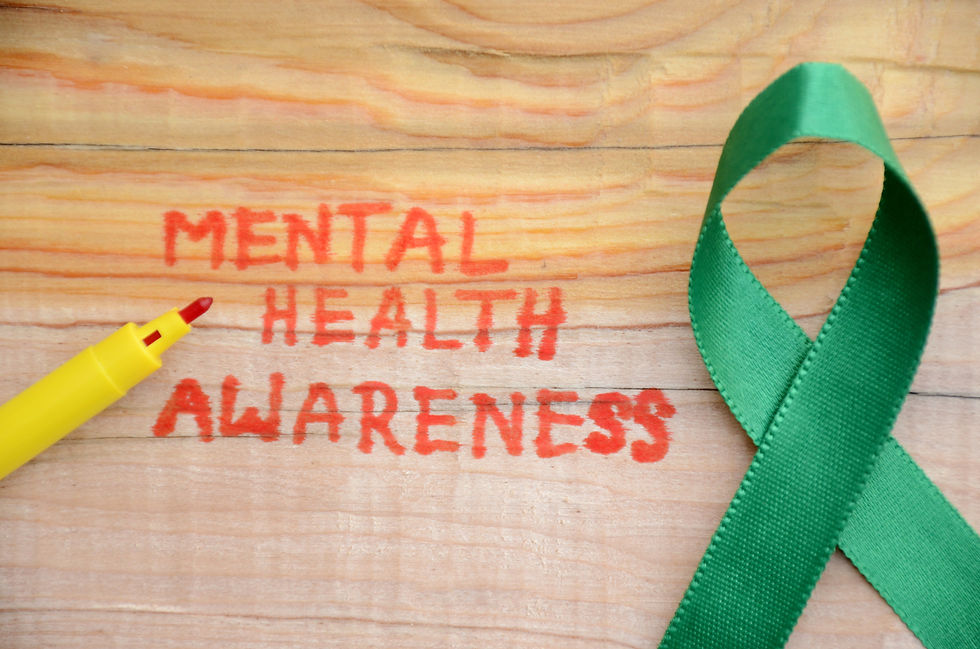
May is know as Mental Health Awareness Month, a reminder that well‑being isn’t only shaped by what happens around us, it’s shaped by the habits, mindsets, and choices we practice every day. While mental health is a complex topic, one thing is clear: the way we think influences how we feel, how we cope, and how we move forward.
This month, we’re focusing on the everyday mindset habits that help people build resilience, confidence, and emotional stability. These habits are simple, accessible, and backed by research. The best part? Anyone can start practicing them today.
Why Mental Health Awareness Month Matters
Mental Health Awareness Month began in 1949 as a national effort to increase understanding, reduce stigma, and promote healthier communities. Today, it’s more relevant than ever. Stress levels are rising, daily demands are increasing, and many people are looking for practical tools to support their emotional well‑being.
Mindset habits offer a powerful starting point, not as treatment, but as everyday skills that strengthen how we navigate life.
Mental Health Meets Mindset
Mindset isn’t about “thinking positive.” It’s about developing the internal habits that help you respond to challenges with clarity, confidence, and resilience. Research consistently shows that mindset influences:
Emotional Regulation
Stress Levels
Decision‑Making
Motivation
Long‑term Well‑Being
When people strengthen their mindset habits, they strengthen their ability to handle stress, adapt to change, and make healthier choices.
Small habits compound over time. Even minor shifts, like reframing a setback or simplifying a decision, can create meaningful improvements in emotional stability and daily functioning. The five habits below are backed by measurable, percentage‑based benefits from psychology and behavioral‑health research.
Five Everyday Mindset Habits That Support Mental Well‑Being
Mental well‑being isn’t shaped by one big breakthrough, it’s built through the small, repeatable habits we practice every day. These five mindset habits are simple, accessible, and backed by measurable benefits that make a real difference in how people feel, think, and navigate stress.
Reframing Setbacks
Reframing helps you reinterpret challenges instead of absorbing them as failures. Research shows it can lower stress by 30% and reduce negative emotional reactions by 25–35%. When you shift the meaning of a setback, you shift your emotional outcome and your next decision becomes clearer and calmer.
Strengthening Self‑Talk
Your inner voice sets the tone for your confidence and resilience. Positive self‑talk has been shown to increase persistence by 30% and improve problem‑solving by 20%. When your self‑talk becomes more constructive, your ability to navigate stress improves with it.
Building Micro‑Routines
Micro‑routines are small, repeatable habits that create structure in your day. They reduce daily stress by 25% and improve emotional regulation by 40%. These tiny anchors help stabilize your mood and reduce the mental clutter that builds up over time.
Reducing Decision Fatigue
Too many choices drain mental energy. Simplifying your decisions, through planning, routines, or limiting unnecessary choices, can lower stress by 20–25% and increase productivity by 15–20%. Fewer decisions mean more energy for the ones that matter.
Practicing Future‑Oriented Thinking
Future‑oriented thinking shifts your focus from immediate stress to long‑term possibility. Studies show it reduces depressive symptoms by 20% and increases resilience by 25%. When you imagine a future you can grow into, your mindset becomes more hopeful and grounded.
What This Means For You
Across all five habits, the research consistently shows 20–40% improvements in stress reduction, emotional stability, resilience, and performance. These aren’t abstract ideas, they’re practical, everyday tools that help people feel more capable, more grounded, and more in control of their lives.
You don’t need a major life overhaul to support your mental well‑being. You don’t need perfect routines or flawless habits. You just need small, consistent steps that strengthen your mindset over time.
Start with one habit. Practice it daily. Let it compound. Your future self will thank you.
An URGENT Mental Health Readiness PSA

Before you step back into the rhythm of your day, take a moment to consider the world we’re all stepping into. Mental well‑being isn’t just about managing stress, it’s about preparing ourselves for a future that is changing faster than any generation before us. The 4th Industrial Revolution, Web3, and AI‑driven systems are reshaping work, opportunity, and daily life and most people have never been taught how to navigate any of it.
That’s why Equall Advantage created its free, self‑paced PSA video curriculum. It exists to give every learner students, families, job‑seekers, and community members clear, accessible awareness of the major shifts happening around us - RIGHT NOW!
Get comfortable. This PSA program breaks down the essentials for mental readiness:
Why Equall Advantage is giving an URGENT PSA in Mental Health Awareness Month!!
What is the 4th Industrial Revolution (4IR)??
How AI and automation are transforming employment opportunities!!
Why Web3, Cryptocurrency & emerging tech are changing the global economy!!
How a wealth-building mindset and future‑oriented thinking helps people stay grounded in a rapidly changing world!!
These shifts aren’t just technological, they require new ways of thinking, learning, and preparing for opportunity. This is about mental awareness, mental clarity, and mental readiness, the kind of knowledge that helps people feel more confident and less overwhelmed as the future accelerates into a 4th Industrial Economy (4IE).
Every student, families, and job‑seekers needs to know about the 4IR and and AI‑Driven future, by removing any mental blind spots. If you’re ready to prepare your mindset and mental health for a world transformed by AI, Automation, and Emerging Technologies, can start watching today at: equalladvantage.com/programs.
If You Need Support: National Mental Health Resources (U.S.)
There are several national, toll‑free mental health hotlines in the United States that offer free, confidential support. These services connect people directly to trained counselors, no local contact or referral needed.
988 Suicide & Crisis Lifeline: Available 24/7. This national three‑digit number connects callers to trained crisis counselors for emotional support related to mental health, substance use, or suicide crises. Supports calls, texts, and online chats.
SAMHSA’s National Helpline | 1‑800‑662‑HELP (4357): A free, confidential, 24/7 treatment‑referral and information service for individuals and families facing mental and/or substance‑use disorders. Available in English and Spanish. Users can also text their ZIP code to 435748 for local resource assistance.
National Domestic Violence Hotline | (800) 799‑7233: Provides confidential support, safety planning, and resources for individuals experiencing domestic violence. Text “START” to 88788 for text‑based support.
Crisis Text Line | Text HOME to 741741: Free, 24/7 text‑based mental health support and crisis intervention. Connects users with trained crisis counselors.
NAMI HelpLine A nationwide peer‑support service from the National Alliance on Mental Illness offering information, education, and resource referrals. (Not a crisis line.)
Your mind is one of your most powerful tools. Strengthen it, and your future becomes stronger too. Visit us today to begin your journey removing wealth-building blind spots.
Register Today,
Equall Advantage


